Is Your Car Suitable for LPG Conversion? A Practical Guide
Before investing in an LPG conversion, the first question you should ask is: can my car actually be converted? The good news is that most petrol-powered vehicles can be, but there are important limitations and considerations.
Vehicle eligibility basics:
LPG conversions work best on petrol engines. Diesel vehicles are generally not suitable because diesel engines operate on compression ignition rather than spark ignition, making LPG conversion technically complex and uneconomical. Your vehicle must have a petrol engine to proceed.
Age matters too. While very old vehicles can theoretically be converted, most reputable conversion specialists recommend vehicles from around 1990 onwards. Older cars may have outdated fuel systems, electronic components, or engine management systems that make conversion difficult or unreliable.
Engine size and type:
- Smaller engines (1.0-2.0 litres) convert very well
- Larger engines can be converted but consume more fuel overall
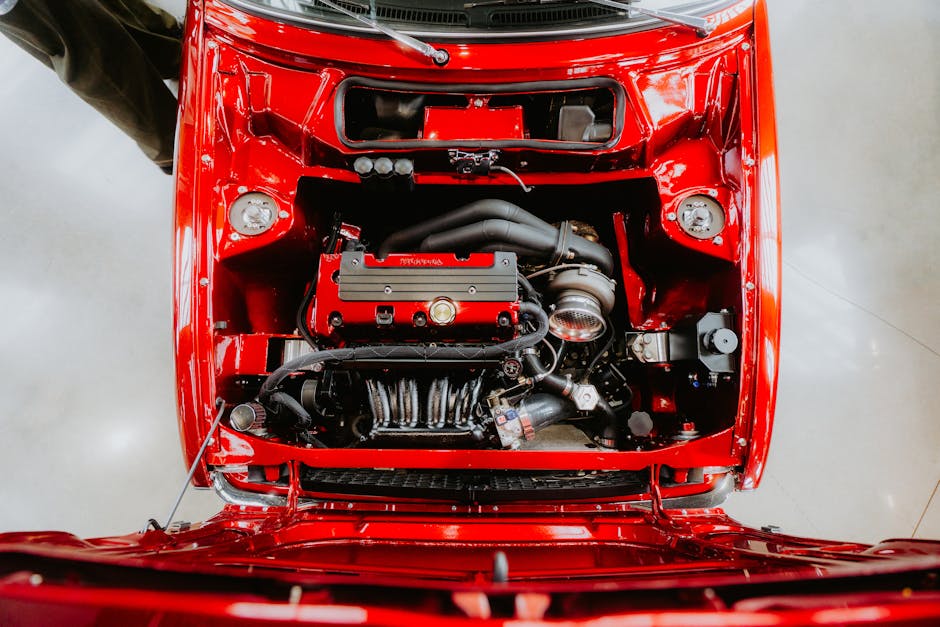
- Turbocharged or supercharged engines are generally suitable
- Direct injection petrol engines may present challenges
Modern direct injection engines are becoming problematic because they inject fuel directly into the combustion chamber rather than the intake manifold. This makes LPG conversion more complicated and less efficient. If you own a recent vehicle with direct injection, ask your conversion specialist for advice before proceeding.
Vehicle condition matters:
Your car should be in good mechanical condition before conversion. If your engine is burning oil, has weak compression, or suffers from other mechanical issues, these should be resolved first. An LPG conversion won't fix underlying engine problems, and a poorly-running engine will perform even worse on LPG.
Practical considerations:
- Space under the car for the LPG tank
- Sufficient boot space if you choose an in-boot tank installation
- Access to LPG filling stations near your home or regular routes
- Insurance company approval for conversion
You'll also need to check with your insurance provider. Most insurers accept LPG conversions, but some may apply a small premium or have specific requirements. It's essential to inform them before conversion.
Finally, consider your driving patterns. If you only do short, local journeys, an LPG conversion may not be worthwhile. The real savings come from regular, consistent driving where the lower fuel costs quickly accumulate.